
Death, Dignity, and Public Trust
Five Days at MemorialThe closing reflections connect individual deaths to the broader trust patients place in clinicians and the dignity owed to people who cannot speak.
increasing Bearing strength in each event
 decreasing
Bearing strength in each eventdecreasingA Hospital’s Founding Promise
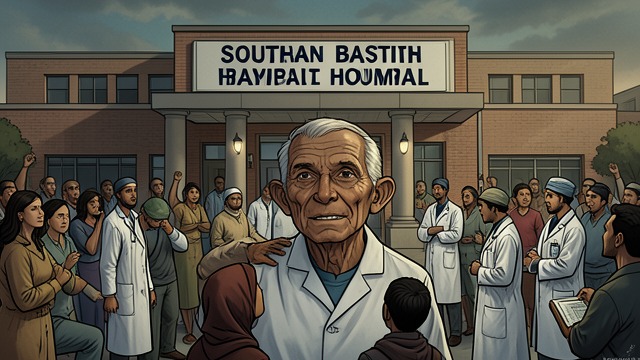
A Hospital’s Founding Promise
Healing Humanity’s Hurt
Southern Baptist Hospital described its mission as relieving pain, prolonging life, and alleviating suffering. Its public identity rested on the idea that a hospital could be a place of refuge.
The Promise Tested
The later disaster exposed the distance between a founding ideal and an institution’s actual capacity. A mission statement matters most when ordinary systems fail.
Patients Become Categories
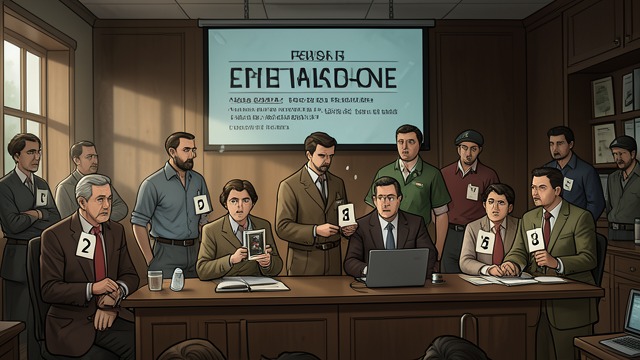
Patients Become Categories
Numbers and Labels
Patients were marked with evacuation categories and moved into staging areas. Some could not communicate clearly, and their personal histories were often absent from decisions made in the dark.
The Danger of Reduction
Categories may speed action, but they can obscure individual wishes and potential. The narrative restores names, families, occupations, and lives to people who risked becoming an abstract triage group.
The Dead and the Missing
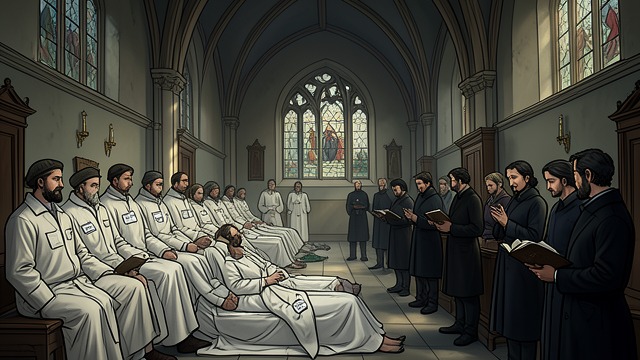
The Dead and the Missing
Bodies Await Recovery
The dead remained in the hospital as families sought news. Their eventual recovery exposed the scale of death and the failure to notify relatives promptly.
Dignity After Death
The chapel became both a makeshift morgue and a place of prayer. How bodies were identified, handled, and explained to families became part of the moral record.
Trust in the Profession

Trust in the Profession
A Public Debate
Supporters defended the clinicians as heroes, while families and investigators questioned whether vulnerable patients had been protected. Each side appealed to the public’s understanding of medicine.
Trust Is Not Immunity
The case showed that professional reputation alone cannot establish what happened. Trust depends on candor, patient-centered judgment, and accountability when care fails.
A Duty to Remember

A Duty to Remember
Stories Beyond Verdicts
The no-bill did not settle the facts for families or the public. The patients’ stories persisted through testimony, civil cases, and later reporting.
Preparing for the Next Crisis
Remembering the dead means improving systems before another emergency. The book closes by asking readers to imagine how they would want decisions made when they themselves cannot speak.
1926
August 31, 2005
September 6–11, 2005
2006–2007
After the grand jury decision
